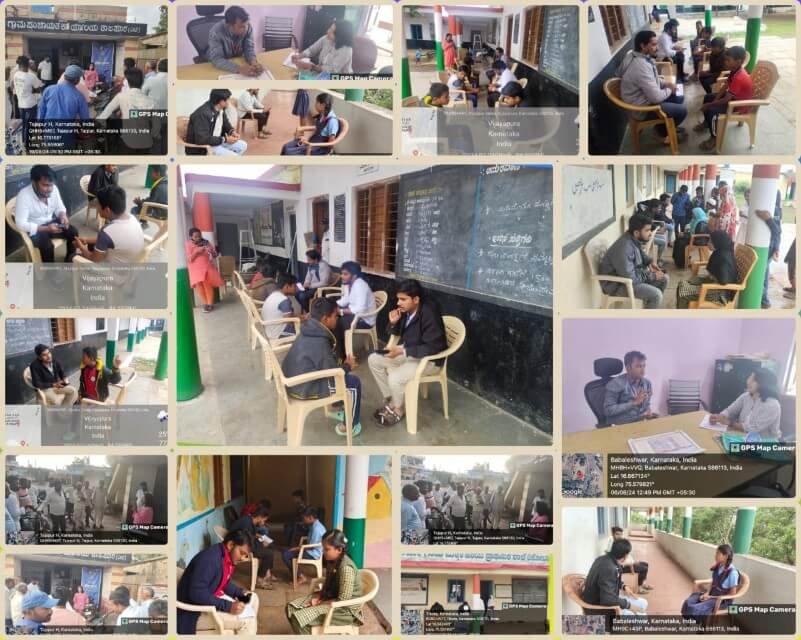
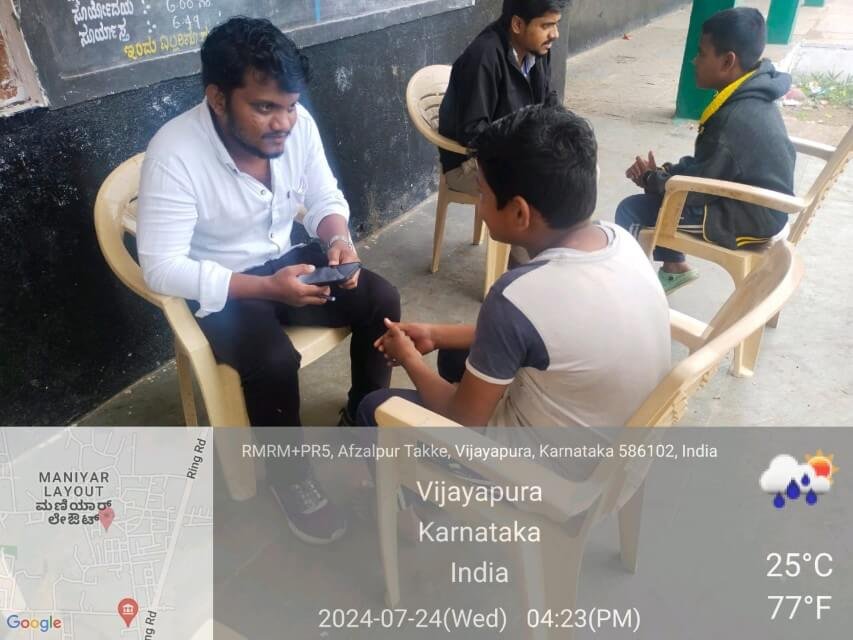
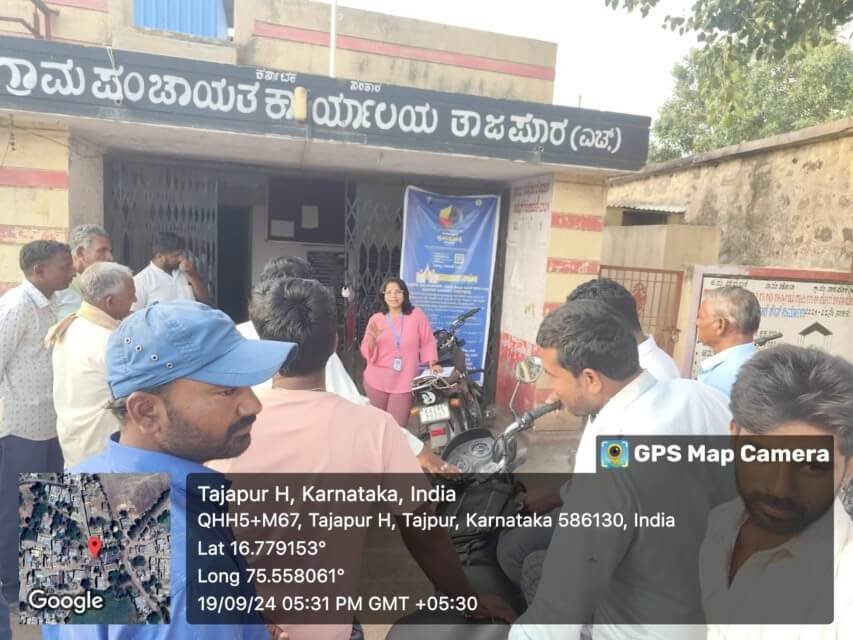
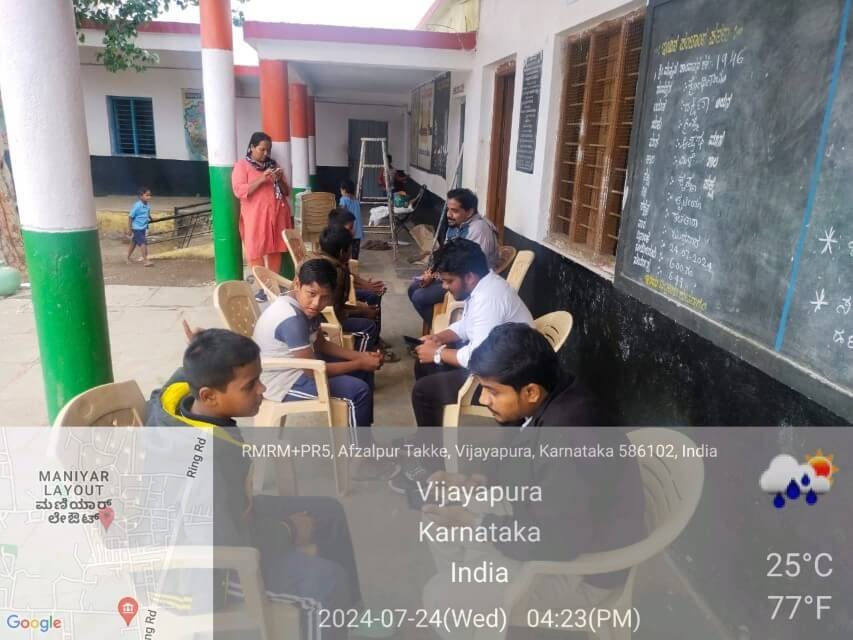
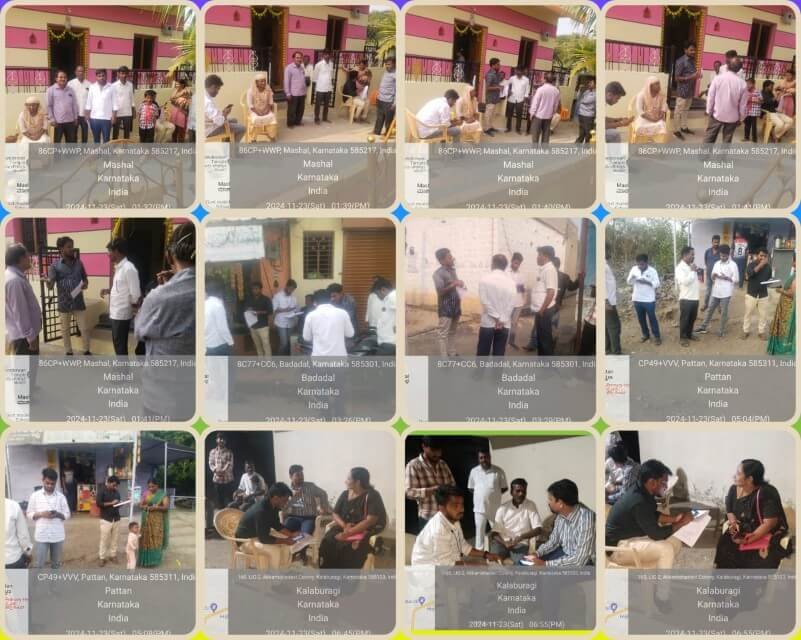
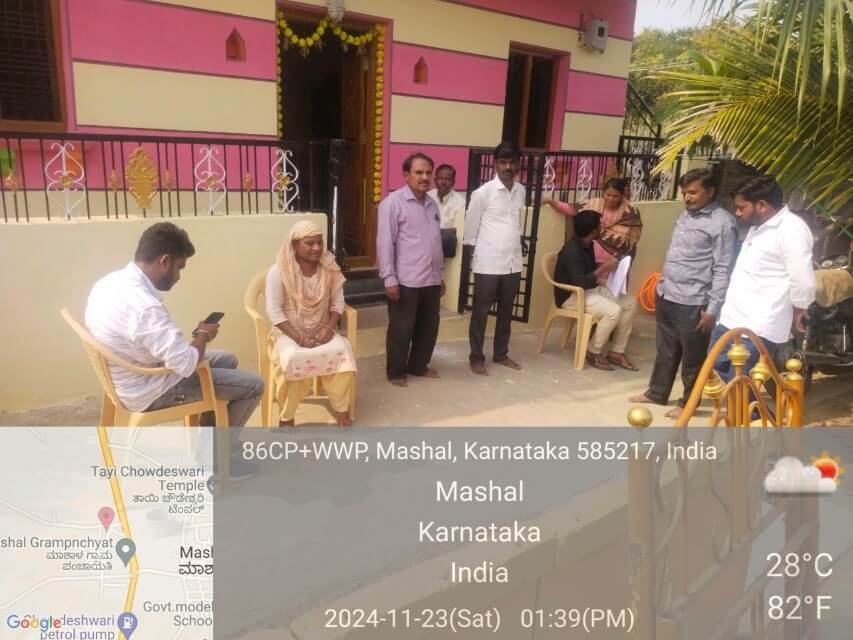
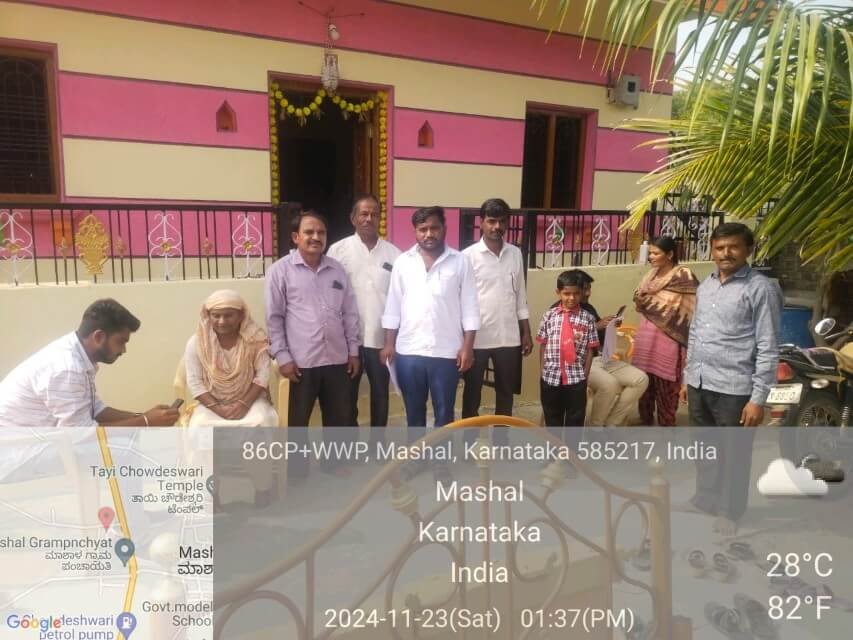
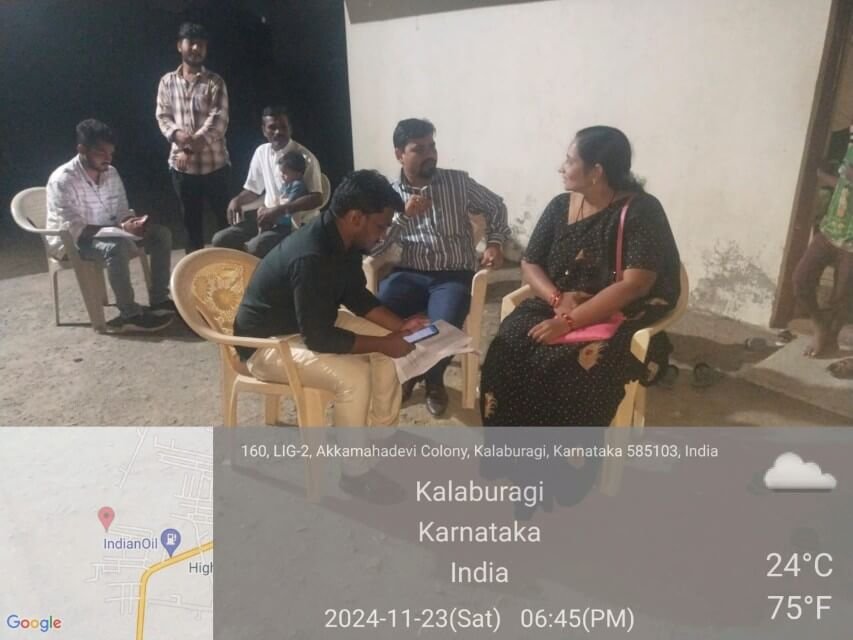
The Ladli Foundation, Bengaluru (Delhi), in collaboration with the Saptagiri Foundation, Vijayapur, successfully conducted a comprehensive survey on the condition of toilets, drinking water, and hygiene in government primary and high schools. Additionally, the survey extended to assessing the maintenance, cleanliness, and infrastructure of community (public) toilets. Over 8,500 samples were successfully collected as part of this extensive initiative.The survey was executed with great success under the leadership of the following survey heads: Sunil Sir, Amruth Sir, Suresh Sir, Sandeep Sir, Sharnu Sir, Sanket Sir, Asif Sir, Sangamesh Sir, Sagar Sir, and Mallikarjun Sir.
Purpose of the Survey:
Schools: Evaluate the availability, quality, and functionality of sanitation facilities and drinking water in government schools.Public Toilets: Assess the maintenance, cleanliness, and overall infrastructure of community toilets.Hygiene Awareness: Foster sustainable hygiene practices and promote awareness through community engagement.
Key Findings:
Identified significant gaps in the availability of functional toilets and clean drinking water in schools, affecting students’ well-being.
Highlighted the poor condition of public toilets, emphasizing the urgent need for better infrastructure and regular maintenance.Community Engagement:
Worked closely with local communities and school authorities to understand challenges and foster awareness about hygiene practices.
Conducted workshops emphasizing the importance of cleanliness in schools and public environments.Use of Collected Data:
Insights from the survey will be used to draft actionable recommendations for improving sanitation facilities in schools and community spaces.
Data will assist policymakers in planning infrastructure upgrades and allocating resources effectively.
Collaborative Effort:This project showcased a successful partnership between the Ladli Foundation and Saptagiri Foundation, combining their resources and expertise to address critical public health issues.
Future Goals:
Expand similar surveys to other regions, focusing on improving sanitation, hygiene, and public health.
Develop replicable models for maintaining sanitation infrastructure in both rural and urban areas.
This collaborative effort demonstrates how meticulous planning, dedicated teamwork, and active community participation can lead to significant improvements in hygiene and sanitation standards, particularly in school environments.
Drone Didi Survey
The Agricultural Development and Rural Transformation Centre (ADRTC), under the Institute for Social and Economic Change (ISEC, Bengaluru) in collaboration with Saptagiri Foundation, Vijayapur, successfully conducted a “Drone Didi Survey” across four districts: Bagalkot, Vijayapur, Gulbarga, and Koppal.
This initiative aimed to leverage advanced drone technology for surveying agricultural and rural landscapes, ensuring accurate and efficient data collection. Under the leadership of the survey program heads—Amruth Mavinahalli, Sunil Kallasaraddi, Suresh Doddamani, and Sanket Balaraddi—the survey was conducted successfully using mobile applications, highlighting the seamless integration of technology in rural development projects.
Additional Points:
Purpose of the Survey: The survey aimed to collect precise geospatial data to improve decision-making in agriculture, irrigation planning, and rural development.
Technology Integration: The use of drones coupled with mobile-based applications minimized human errors and enhanced the speed of data collection.
Community Involvement: Local communities were actively involved in the process, ensuring transparency and raising awareness about modern technology in rural governance.
Outcome and Impact: The data collected will contribute to better resource management, policy formulation, and implementation of developmental projects in these districts.
Future Scope: Based on the success of this survey, there are plans to expand similar technological interventions to other regions, fostering sustainable development.
This collaborative effort exemplifies how modern technology, combined with effective leadership and community participation, can drive rural transformation and agricultural advancement.